Real Estate Photography vs Architectural Photography
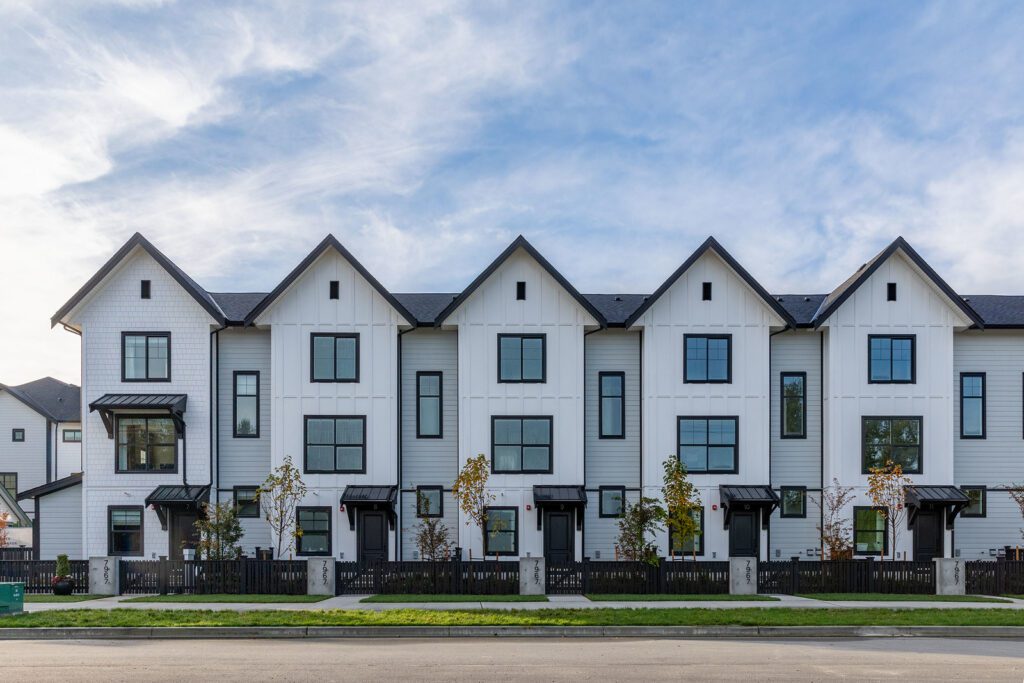
What is the difference between real estate photography and architectural photography?
This is a question that many people don’t even consider asking. Usually, these two types of photography are thought of as one and the same.
And I’m here to tell you that they are definitely NOT the same!!
A little history of my experience and why I intimately know the answer to this question…
How I got started in Real Estate Photography
My interest in real estate photography began after moving to Whistler in 2001. About a year after moving there, I landed a job working as a part-time administrative assistant to one of the realtors there.
I had previously gone to school for photography at Langara College in Vancouver, but I didn’t have a clue what type of photography I wanted to pursue. Working as a real estate assistant made the whole thing click for me. Why don’t I shoot houses?
At that time, realtors almost never hired professional photographers to shoot their listings! They shot their listings themselves with little point-and-shoot cameras. This was when digital cameras started to be the norm, and it transformed how agents were able to photograph and upload their listings to the MLS.
I distinctly remember the dark, grainy, poorly-composed images that were used to showcase listings back then. Quite a stark difference from the images of today. Photography today for real estate expands photography to a complete property-marketing service!
Now real estate photographers are expected to not only provide photos, but also video, 3D virtual tours, drone footage, floor plans, and even websites and brochures. And, provide it within 24hours!
Real estate is a fast moving industry. Get the home listed, get the home sold. To be quite frank, this environment doesn’t exactly provide the time or focus for a photographer to provide their best work.
The Biggest Difference? Time and Attention to Detail
And this leads me to one of the most important differences between a real estate photographer and an architectural photographer…the time and care invested into each individual image.
An architectural photographer takes about 8 hours to photograph a house.
A real estate photographer would take about 2 hours to photograph the same house.
When I shoot real estate, there is a very large part of my brain that I need to shut off in order to make efficiency be my focus.
I WANT to use my tilt shift lenses, I WANT to pay close attention to each and every composition, I WANT to move clutter, furniture and bathroom products, I WANT to fine tune my each angle by small refined movements, up down, side-to-side to perfect each composition, and… I WANT to spend hours or even days editing until each image is perfect..
So, this leads me to why I don’t really shoot typical real estate jobs anymore. I simply care too much, and have learned too much over the years about what makes for a good image. It’s nearly impossible to shut your brain off to that.
That being said, I am always willing to shoot real estate jobs for any realtor who cares as much as I do about the quality of the images and respects the time it takes to produce them.
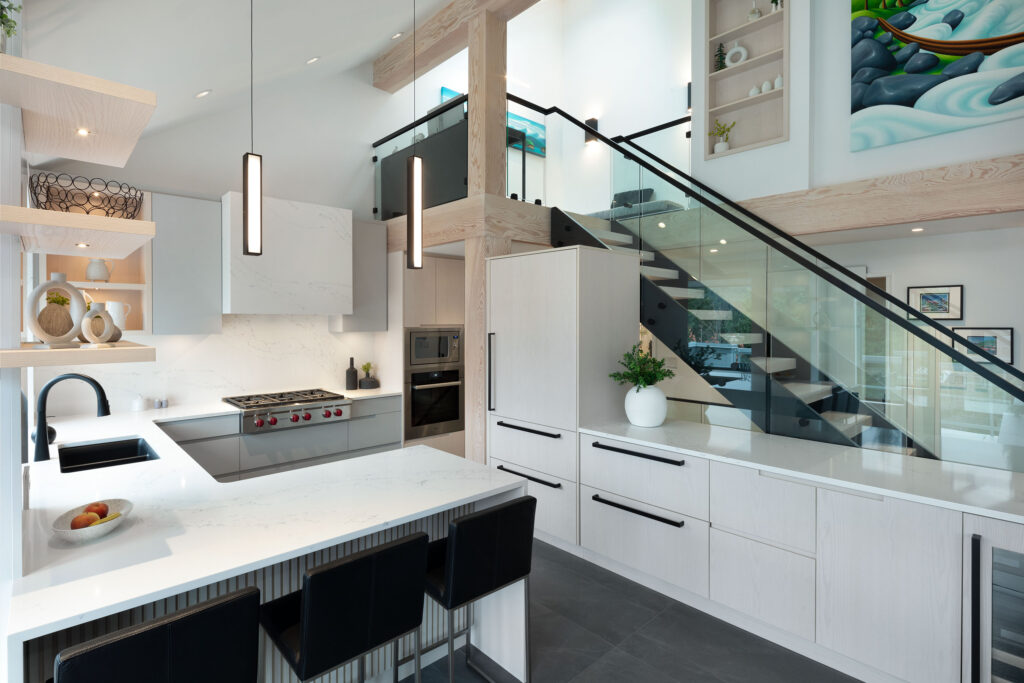
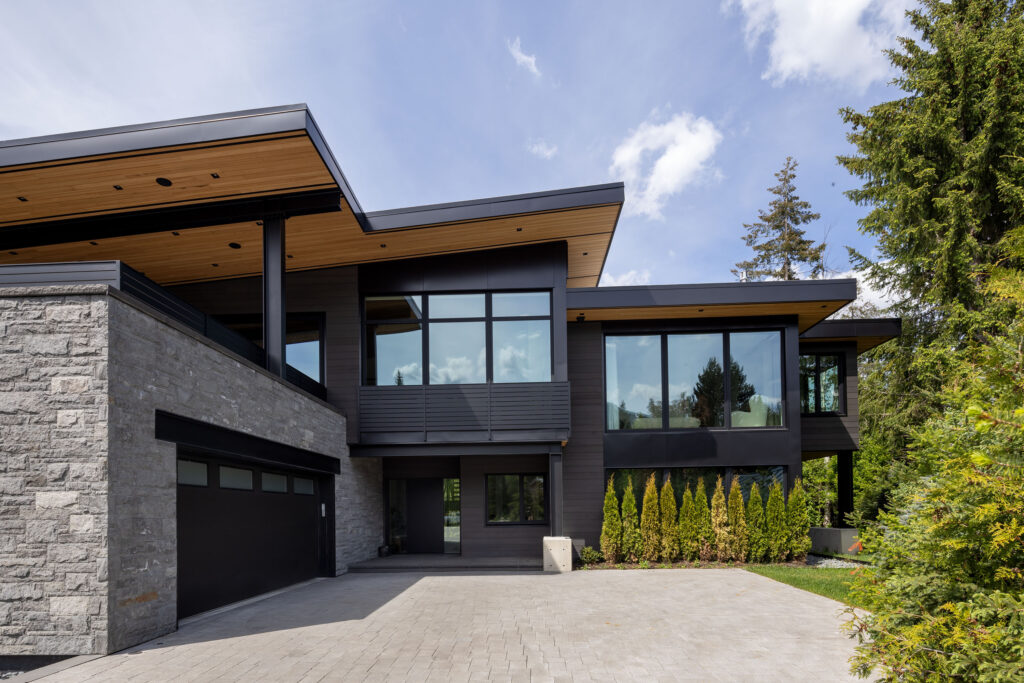
Real Estate Photography | Architectural Photography |
Sell a property | Showcase design and craftsmanship |
Typically 1–2 hours on site | Often a full day on site |
Primarily wide-angle coverage | Multiple lenses and carefully composed perspectives |
Natural light and efficient lighting techniques | Carefully controlled natural and supplemental lighting |
High-volume, often AI-assisted editing | Individualized, detailed post-production |
Fast turnaround, often within 24 hours | Longer turnaround for meticulous refinement |
Primarily for property listings | Portfolios, publications, awards and long-term marketing |
What Happens After the Shoot?
Now, let’s talk about editing. A lot of people don’t realize just how much is involved with editing images. Have you heard of window-pulls? Probably not, if you aren’t a real estate or architectural photographer. This is when the window views show through the windows – like in real life! What a concept.
The camera cannot expose for both the inside and outside at the same time, so exposures need to be layered together to make a balanced image. Prior to recent history, each window needed to be traced out like a stencil, revealing the window view below. Imagine doing this for every window in every image!!! Believe me, I’ve traced out thousands of windows in my career!
Lighting the interior using strobes is another method to bring the interior brightness closer to the exterior, which makes blending those exposures much easier, but still a time consuming editing process that most people don’t realize.
For a lot of years, real estate photographers have sent their raw images overseas to countries in a different time zone so they could do the editing while the photographer sleeps. The finished images are magically ready the next day when the photographer is drinking their morning coffee. Yay! 24 hour turnaround time met..
How AI is Changing Photo Editing
Recent advancements in AI technology have made real estate photography editing become almost completely automated – much to the dismay of those third-party editing companies scrambling to get the work on the other side of the world.
Real Estate photographers can now upload their RAW files using AI software like Imagen AI, Auto HDR, Fotello, and Autoenhance AI where they can upload their raw images, and have it edit the images for you within minutes or hours depending on the number of shots and how fast your internet speed is for upload. Honestly, it makes my head spin, the difference between now and 2004 when I started!
Okay, here’s a question for you, do architectural photographers also use this AI editing software?
Of course! It’s inevitable. Fortunately or unfortunately, it is the reality of todays’ business world. Adapt or be left behind..
In my own experience, AI has been very helpful. Photoshop’s Adobe Firefly uses Generative fill to aid in removing distracting objects, and object selection tool is amazing! When I’m somewhere with a poor internet connection, my editing has become painful! For example, my parent’s internet is VERY slow – and each time I use these features in Photoshop, I have to sit back and drink a coffee while I wait for it to process! Yikes. A sign I’ve already become dependent…
AI has certainly changed how I edit, and I’m happy to take advantage of tools that make my job easier. But what it hasn’t changed is how much thought and care I put into creating each photograph in the first place.
So, What’s the real difference?
Ultimately, the biggest difference between real estate photography and architectural photography comes down to time, attention to detail, and the purpose behind the images. Real estate photography is designed to market and sell a property quickly, while architectural photography is about capturing the design, craftsmanship, materials, and character of a space. It’s a slower, more deliberate process where every composition matters. And while technology continues to change how we work, there’s still no substitute for a photographer who knows how to see the light, recognize the details, and take the time to get the image right.