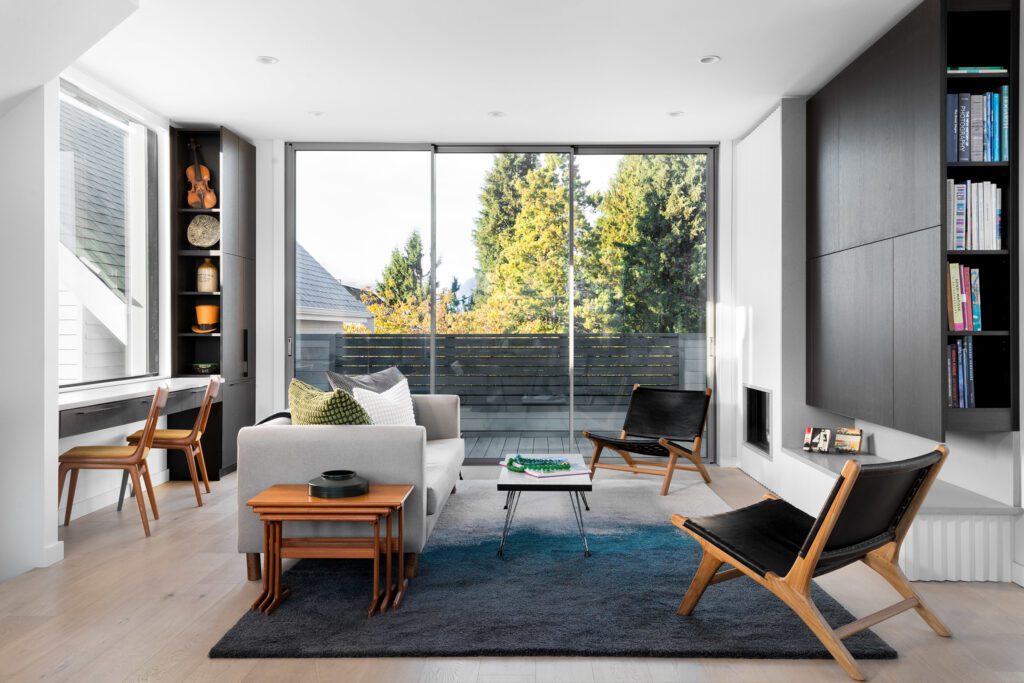
Residential photography is more than just clicking pictures of houses — it’s about telling a story, creating emotions, and revealing the lifestyle a home can offer. In today’s digital-first real estate market, where potential buyers or renters often begin their search online, high-quality residential photographs can make all the difference between a listing that gets noticed and one that gets ignored.
What is Residential Photography?
Residential photography involves professionally capturing images of homes, apartments, condos, villas, and other residential properties. It may include interior and exterior shots, aerial views, twilight photography, and even virtual tours. These photos are most commonly used by real estate agents, developers, architects, Airbnb hosts, and interior designers to promote and market residential spaces to potential clients or tenants.
Unlike commercial photography which focuses on products or brands, residential photography is about showcasing a space that someone might live in. It has to feel welcoming, inspiring, and authentic. The goal is to give the viewer a real sense of the layout, space, lighting, and overall atmosphere of the home.
Importance of Residential Photography in Real Estate
With most people browsing property listings online before even thinking about visiting in person, first impressions matter — and photos are often the first and only impression that people get. High-quality residential photography increases the chances of a property being noticed, can lead to faster sales or rentals, builds trust with clients, and often justifies a higher asking price.
Studies have shown that listings with professional photos receive significantly more clicks, views, and inquiries than those with amateur or phone-taken pictures. In luxury and competitive markets, this difference can directly affect sales timelines and property values.
Key Elements of Effective Residential Photography
To truly capture the essence of a residential space, photographers must focus on several important elements.
Lighting
Natural light is a crucial factor. Shooting during the right time of day — usually mid-morning or early afternoon — allows rooms to appear bright and inviting. Artificial lighting is also used carefully to complement natural light and ensure a warm, balanced tone.
Composition
How a room is framed in a photograph can influence the viewer’s perception of its size and flow. Wide-angle lenses, when used properly, help capture more of a room without distortion. Strategic angles also minimize clutter and emphasize space.
Cleanliness and Staging
Even the best camera won’t help if the property is messy or poorly staged. A well-staged home with minimal furniture, clean surfaces, and subtle decor creates a sense of order and allows the space to speak for itself. Often, photographers collaborate with staging professionals to ensure each room looks its best.
Post-Processing
Editing plays an important role in finalizing the images. Adjusting brightness, contrast, color balance, and perspective ensures consistency across all photos. However, editing must be realistic — over-editing can misrepresent the property, leading to disappointed buyers.
Interior vs Exterior Photography
Residential photography can be broken into two major types: interior and exterior photography. Both have unique requirements and challenges.
Interior photography focuses on the inside of the home. It aims to showcase living areas, bedrooms, kitchens, bathrooms, hallways, and special features like fireplaces or skylights. Lighting, lens choice, and angle play an important role in making the interior feel spacious and warm.
Exterior photography captures the outside view — from the front facade to the backyard, garden, pool area, or rooftop. A great exterior photo should make a home feel approachable and well-maintained. This often involves shooting during golden hour or twilight to add atmosphere.
Aerial and Drone Photography
Aerial shots taken by drones have become increasingly popular in residential photography. These provide an overall perspective of the property, highlighting the home’s layout, yard size, neighborhood, and proximity to amenities. A drone image can be a powerful addition to listings, especially for large properties or scenic locations.
Virtual Tours and 360° Photography
With the advancement of technology, many real estate agents now offer 360-degree virtual tours. These allow viewers to “walk through” the property digitally, offering a deeper understanding of space and flow. It adds convenience for international buyers or those unable to visit in person, and when combined with professional photography, provides a complete marketing solution.
Residential Photography for Airbnb and Short-Term Rentals
It’s not just real estate agents who benefit from residential photography. Hosts on platforms like Airbnb or Booking.com rely heavily on visuals to attract guests. Beautiful, well-lit photos of bedrooms, living spaces, and amenities such as a balcony, kitchen, or hot tub increase booking rates. In fact, many successful hosts attribute their occupancy rates to the quality of their property’s photos.
Working with a Professional Residential Photographer
Hiring a professional residential photographer is an investment that pays off. Professionals bring experience, equipment, and an eye for detail that phone cameras or casual photography just can’t match. They know how to make small rooms look bigger, dull lighting feel brighter, and staged homes look lived in — all while maintaining accuracy and honesty in representation.
Before the shoot, it’s important for homeowners or agents to prepare the property. This means cleaning, decluttering, opening blinds for natural light, and possibly staging furniture or decor. The photographer may also recommend minor improvements like adding fresh flowers or rearranging furniture for the shoot.
Benefits of Great Residential Photography
Great residential photography does more than just capture rooms. It builds emotion, enhances trust, boosts engagement online, and tells a story of lifestyle and comfort. It helps buyers or renters imagine their life in the home, making them more likely to schedule a visit or make an offer. In high-end markets, it also supports the property’s perceived value and luxury appeal.
Final Thoughts: A Picture is More Than a Thousand Words
In real estate, photography is not just a tool — it’s a language. A well-captured photo can make someone fall in love with a property before they ever step foot inside. It inspires curiosity, encourages exploration, and ultimately drives decisions. Whether you’re selling a cozy apartment, renting out a vacation home, or showcasing a luxury estate, professional residential photography is your best asset in making the property stand out in a crowded market