Showcasing Retail Brilliance: The Art of Capturing Stores Through Photography
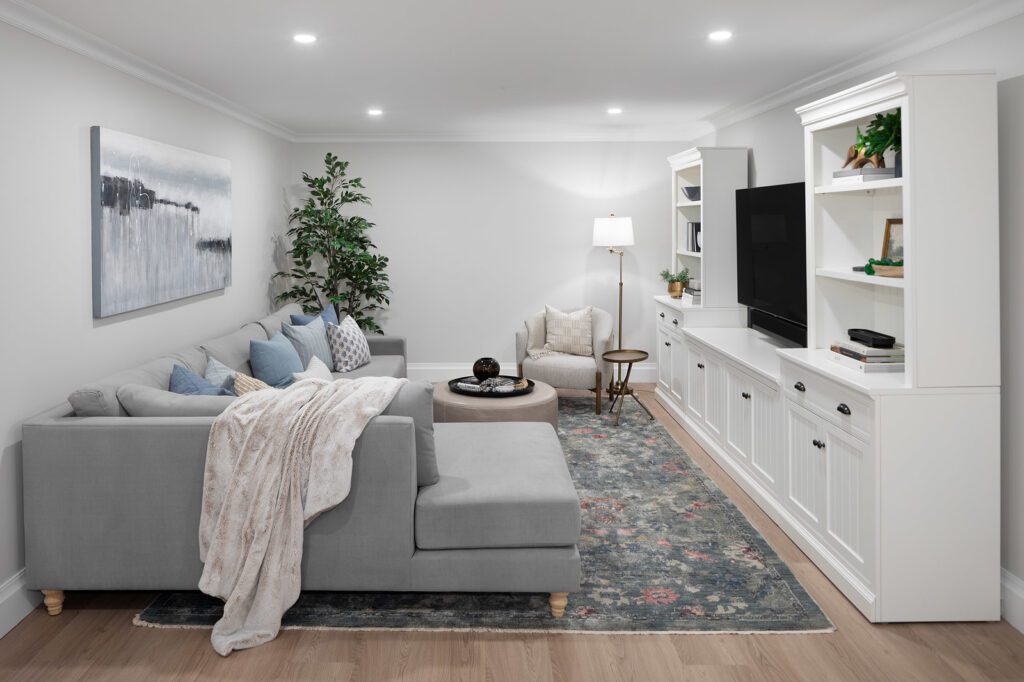
In the dynamic world of retail, presentation is everything. Customers often decide whether to step into a store—or click through an online gallery—based entirely on visual impressions. That’s why retail photography has become such an essential asset for store owners, brands, and marketing teams. A well-shot retail space can highlight your brand personality, display layout ingenuity, and most importantly, convert viewers into visitors. Capturing retail environments is more than snapping shelves and signs; it’s about translating the shopping experience into a compelling visual story.
The Role of Photography in Retail Branding
Retail photography is a direct extension of brand storytelling. From high-end boutiques to cozy local shops, each store has a vibe—clean and luxurious, rustic and earthy, edgy and modern. The goal is to convey that character through lighting, angles, and attention to details. If your brand prides itself on minimalism, your photos should reflect open spaces and clean lines. If your store is bold and energetic, the images should burst with color, texture, and personality. Professional photography communicates these unspoken cues far more effectively than any slogan or description.
Preparing a Store for the Photoshoot
Before the camera even comes out, preparation is crucial. The store should be spotless—mirrors polished, shelves dusted, floors gleaming. Think of the shoot as a special event where the store must be dressed to impress. Lighting should be checked and, if possible, adjusted to reduce harsh shadows and emphasize key areas. Items on shelves should be arranged thoughtfully, with clutter removed and focal points enhanced. Signage should be straight and clean, and any digital displays should show relevant, brand-appropriate visuals.
Key Elements in Retail Photography
Retail photography hinges on several important components that bring the store’s story to life:
Store Layout and Flow
Great images showcase how customers move through a space. Wide-angle shots from corner perspectives can show the overall layout. Diagonal views often make the space look more dynamic and immersive. Shots should highlight how displays are organized, how easy it is to navigate the store, and how various sections (such as accessories, shoes, fitting rooms, checkout) are spaced and connected.
Product Displays
Retailers spend considerable time setting up their visual merchandising—and the photography should honor that effort. Close-up shots of product displays, table arrangements, and seasonal features should focus on texture, pattern, and the careful balance between variety and focus. Good depth of field allows some areas to blur softly in the background, drawing the eye exactly where you want it.
Lighting and Color
Natural light enhances warmth and makes the space inviting, but in retail photography, you often have to rely on a mix of ambient and artificial lighting. A good photographer balances these sources to avoid overexposure or unnatural color casts. Editing plays a big role here too—ensuring color consistency and vibrancy across all photos. Retail stores with strong branding may have signature colors or lighting themes that must be preserved accurately in images.
People in the Space
Including people in retail photography can bring energy and life to the images. Whether it’s a customer browsing through a rack, a staff member arranging a display, or a group of friends laughing by the fitting room, these lifestyle moments help viewers imagine themselves in the store. The trick is to capture these moments candidly or with natural poses, without making them look staged or forced.
Telling the Brand Story Through Photos
Every store has a unique story. Maybe it’s a fashion boutique launched by a young designer, a third-generation family-owned shoe store, or a cutting-edge tech shop in the city center. The photography should reflect this narrative. For example, rustic wood shelving and handmade signage tell a different story than glass displays and high-gloss floors. If a store features local artists or sustainably sourced products, these elements should be front and center in the visuals.
Post-Production and Editing Techniques
After capturing the images, editing brings the story full circle. This includes straightening vertical lines, correcting white balance, adjusting brightness and contrast, and enhancing color richness without over-processing. The goal is to make the store look its best while keeping the feel realistic and approachable. For retail, it’s also important to crop images to suit different formats—wide for websites, square for Instagram, vertical for Stories or brochures.
Usage of Retail Photography
Once the shoot is done, the photos can be used across multiple platforms:
Website product pages and store location pages
Google My Business and map listings
Social media campaigns and ads
Printed flyers, posters, or magazine features
PR kits and media coverage
A consistent, professionally-shot photo set helps unify the brand across all these channels and leaves a lasting impression on customers.
Real-Life Example
Imagine a luxury skincare brand opening a flagship store in a trendy district. The interior features marble counters, lush green plants, and minimalist gold accents. The photographer captures the space early in the morning when sunlight filters through the glass doors. Wide shots show the gleaming layout; close-ups highlight the elegant product displays. A few candid shots of a customer testing lotion at the counter add a human touch. These images are later used in online ads, a blog post about the new store, and even a digital billboard nearby. The brand sees a 40% uptick in foot traffic during the launch month—all supported by powerful visual storytelling.
Tips for Business Owners
If you’re a retailer planning your first photoshoot, keep these tips in mind:
Choose a photographer experienced in interior and retail photography
Share your brand mood board or website for visual reference
Prepare your store like you’re expecting a VIP customer
Allow time before and after the shoot for setup and final touch-ups
Plan for future campaigns—shoot extra content that can be used seasonally
Conclusion
Retail photography is more than visual documentation—it’s a silent salesperson, a brand ambassador, and an experience creator. In a digital-first world, potential buyers often see your store online before visiting in person. A professional photo set not only entices them through the door but helps them understand what you stand for. From vibrant product displays to warm lighting and real customer interactions, every image should invite the viewer into your retail world—and make them want to stay.