Designing Productivity: The Essential Guide to Office Space Photography
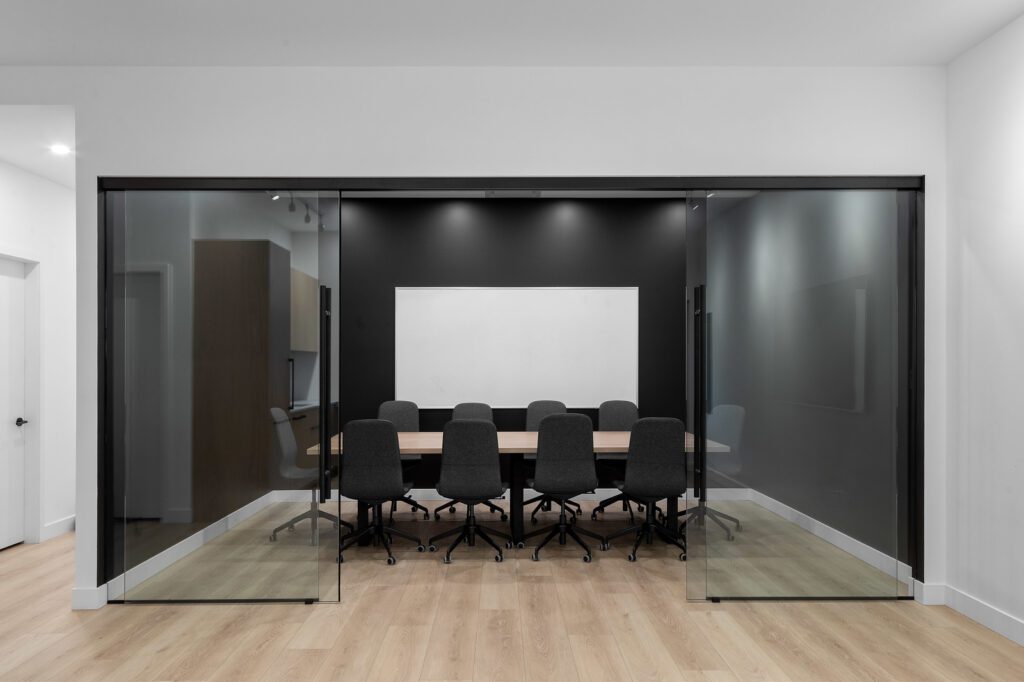
Capturing the character and functionality of an office environment requires more than just pointing a camera at desks and chairs. Office space photography is a specialized discipline that highlights a company’s culture, work style, and brand identity. In today’s competitive business landscape, high-quality images of your workspace can influence hiring decisions, attract new clients, and reinforce your company’s credibility. Whether you aim to showcase an open-plan tech hub, a boutique agency’s creative loft, or a traditional executive suite, thoughtful photography will present your office in its best light.
Why Office Space Photography Matters
First impressions often determine whether a potential client or candidate will engage with your company. When someone visits your website or social profile, they look not only at your logo or services but also at the images of your workplace. Professional office photographs set the tone for your brand story. They convey organization, creativity, and attention to detail. A well-lit image of a modern conference room suggests professionalism; a vibrant shot of a collaborative zone signals innovation; a cozy lounge area can speak to employee wellbeing.
Planning Your Office Shoot
Successful office photography begins long before the camera is unpacked. It starts with planning and preparation. Begin by defining what you want to communicate. Are you highlighting team collaboration, executive leadership, or a green, sustainable workspace? Next, select key areas for the shoot: entrance lobby, reception desk, team desks, meeting rooms, break areas, and any special features such as a rooftop terrace or game zone. Finally, schedule your shoot at a time when the office looks its best—typically during daylight hours with minimal foot traffic and after any clutter has been removed.
Coordinating with Your Team
Advance communication with employees is essential. Let staff know when and where the photographer will be working so they can tidy their desks and minimize disruptions to workflow. If you wish to include staff at work in some shots, plan for volunteer models who understand simple posing—typing at a computer, brainstorming at a whiteboard, or sharing ideas over coffee. Genuine, candid moments often resonate more than staged smiles.
Key Elements of Great Office Photography
Office environments can vary widely, but certain photographic elements remain constant in producing effective images.
Lighting and Atmosphere
Natural light is ideal for creating a welcoming atmosphere. Position workstations and cameras to take advantage of large windows, skylights, or interior glass partitions that allow sunlight to flow through. When natural light is insufficient, supplemental lighting—such as softboxes or LED panel lights—can evenly illuminate darker corners without casting harsh shadows. Pay attention to color temperature so that tungsten or fluorescent fixtures do not create unwanted color casts.
Composition and Framing
The angle from which you photograph an office can alter its perceived size and mood. Wide-angle lenses are useful for capturing expansive areas, but must be used judiciously to prevent distortion of walls or furniture. Leading lines—such as rows of desks, floor patterns, or architectural beams—draw the viewer’s eye deeper into the scene. Balance is achieved by framing symmetrical spaces—conference rooms, hallways, or reception desks—in the center of the frame, while asymmetric compositions can showcase collaborative or informal zones with energy and movement.
Styling and Staging
An office full of paperwork, empty coffee cups, and stray cables will look cluttered and chaotic on screen. Prior to the shoot, ensure surfaces are clear of unnecessary items, cables are tucked away, and key props—laptops, notebooks, potted plants, company-branded materials—are arranged thoughtfully. Consistency in decor and color palette will reinforce brand identity; for instance, matching desk accessories and wall art to company colors subtly unifies the visual narrative.
Highlighting Function and Flow
Beyond static images of rooms, effective office photography tells a story about how people move and interact within the space. Capture a team meeting in progress, a one-on-one discussion in a cozy alcove, or a designer sketching out ideas at a standing desk. These lifestyle shots require a faster shutter speed to freeze motion, or alternatively a slight motion blur to convey activity. The goal is to give website visitors a sense of daily operations and culture.
Detail and Texture Shots
While wide shots establish context, close-up details speak to quality and atmosphere. A textured fabric on an executive chair, a polished conference-table surface, or the grain of reclaimed-wood shelving can all reinforce the design ethos of your office. Use a macro or short-telephoto lens to isolate these elements, and shallow depth of field to keep the background softly out of focus.
Post-Production and Editing
Once the shoot is complete, the editing phase shapes final impressions. Color correction ensures that whites appear true white and that corporate colors match your brand guidelines. Perspective correction straightens vertical and horizontal lines so walls and columns appear true, not leaning. Subtle contrast and clarity adjustments bring out texture without making images look over-processed. Finally, consistency across all images—matching exposure, color palette, and cropping style—creates a cohesive gallery on your website or brochure.
Platforms and Usage
Office space images are versatile marketing assets. They can enhance your company website’s About or Careers pages, feature in social media feeds on LinkedIn or Instagram, appear in sales presentations and investor decks, and even decorate print materials like annual reports or office signage. Optimizing images for each platform—resizing, compressing for web, and embedding appropriate metadata—ensures fast load times and helps search engines index your visual content.
Case Study: From Blank Canvas to Brand Showcase
Consider a mid-sized marketing agency moving into a newly renovated loft. At first, the space is empty: exposed brick walls, broad windows, and open beams. The agency hires a professional photographer who collaborates with the design team to stage key vignettes—a team huddle at a communal table, a writer brainstorming at a window seat, and a client meeting in the glass-walled boardroom. The resulting gallery of images not only highlights the architectural features but also communicates the agency’s creative energy. Within weeks of launching the new website, inquiries increase by 25 percent, and social media engagement on office reveal posts outperforms other content.
Tips for Working with a Photographer
When hiring an office space photographer, look for someone with experience in architectural or interior photography. Review their portfolio to ensure they can handle lighting challenges and diverse compositions. Provide a clear brief outlining must-have shots and your brand’s visual guidelines. Discuss timelines for the shoot and image delivery, and clarify usage rights—whether images will be exclusive or available for the photographer’s own promotion.
Conclusion: Images That Inspire Action
Office space photography is an investment in your company’s image. By showcasing your workspace in its best form, you communicate professionalism, attract top talent, and engage clients with a compelling visual story. Every desk, meeting room, and lounge area tells part of your brand’s narrative. When these elements are captured thoughtfully—from planning and staging to lighting and editing—they become powerful tools for marketing, recruiting, and building reputation. In the end, well-executed office photography does more than decorate a website; it inspires action, whether that action is applying for a job, requesting a tour, or signing a new contract.